Congratulations! You finally did it! You saved enough, and you’re in the market for a house. But what if the one that really feels like home is an older house? Say, 100 years old? You love the charm and the vibe that only an older home can offer, but you are hesitant.
If you’re wondering if this is a wise financial move, don’t worry, we got you. During your home search, you might find yourself drawn to older homes for their unique character. By the end of this blog, you’ll know the good, the bad, what to consider when buying an older house, and what to really expect.
Why Do People Choose Old Houses?
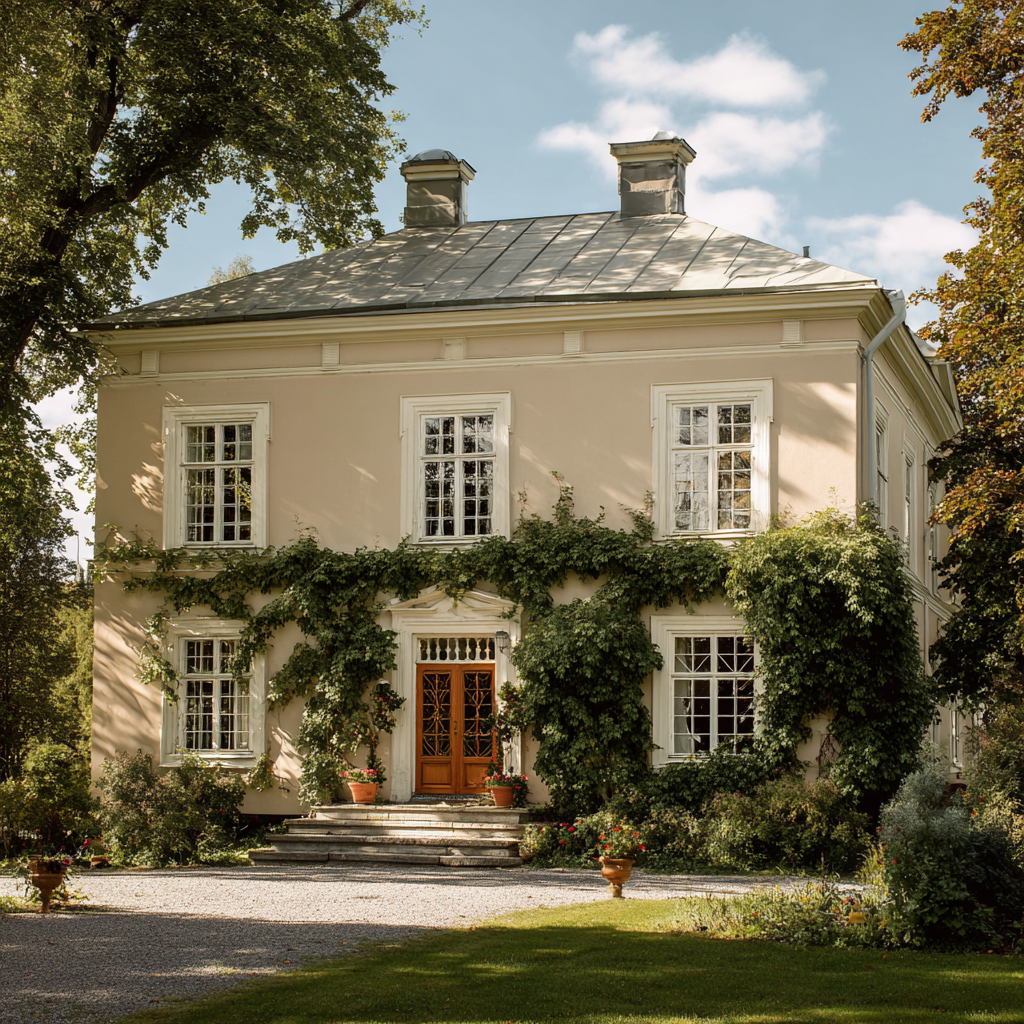
Let’s begin with the basics: why do people prefer older houses? Many buyers are drawn to the unique character that older homes offer, which sets them apart from newer constructions. Among these, historic homes stand out as a subset of older houses that attract buyers due to their architectural and historical significance.
The Home’s History and Character
This is one of the obvious reasons, see that old oak tree shadowing the house in the backyard? Old trees like this are a common feature of older properties, and it took years to reach that height, making them impossible to find in new construction. Older houses also have a charm because they always have a story – most of them are just personalized. This is different from modern houses that are mass-produced, causing them to lack the unique features often found in historic properties.
Unique Architectural
It’s hard to find a midcentury sunken living room or authentic stained-glass windows in a modern house. These small details add some warmth to old houses and a sense of history. If you’re lucky, you’ll find an older house with other beautiful elements like wainscoting, crown molding, built-in bookshelves, or pocket doors.
Established Neighbourhoods
If you’re a people lover and enjoy diversity, buying an older house can provide you with this kind of community. While newer developments are filled with families or homeowners who bought them at the same life stage, it’s not the case with older houses. There’s great diversity; for example, you might end up neighbors with a couple who’ve lived together for 40 years and now spend time with their grandchildren on Sundays.
Bigger Lot Size
In most cases, older homes sit on larger lots. This isn’t the case in all geographical areas, so it’s worth comparing the lot sizes of new and old homes if it is one of your non-negotiables. Older homes often have more land because, in the past, land was plentiful and relatively inexpensive. Now, underdeveloped land is scarce, and some developers are squeezing homes on land the size of a postage stamp.
Key Inspections and Evaluations
Buying an older house is exciting, but as you commit to buying one, it’s crucial to know what you’re getting yourself into. This is why we recommend a thorough inspection to see potential problems that could turn your adventure into a money pit. Conducting research on the home’s history and condition is also essential before making a purchase, as it helps with budgeting and planning for renovations.
Structural integrity
This is the first thing to check out for in an old house. Check for cracks in the walls, foundation issues, doors or windows that don’t close or open all the way, and uneven floors. In older homes, it’s important to identify any structural issues early, as these can lead to more serious problems if left unaddressed. If you notice uneven floors or foundation concerns, consider consulting a structural engineer for a thorough assessment to ensure the safety and stability of the property. Foundation problems can impact the whole house, so prompt attention is crucial. Also, inspect the crawl space of the basement for signs of mold or water damage, as this can be a ticking time bomb that could compromise the house’s foundation and may require foundation repair if issues are found.
Roof condition
The roof is another expensive and critical part of a home. When inspecting the roof, be sure to check for leaks, damaged shingles, missing shingles, and signs of sagging. Additionally, check if the gutters and downspouts are still in good condition and direct water away from the house.
Leaks can lead to significant issues, including the risk of moisture damage, which may not be immediately visible but can cause major structural problems if left untreated.
If the roof is showing significant wear or is nearing the end of its lifespan, roof replacement may be necessary to maintain the safety and structural integrity of the home.
Roofing issues are among the most common house problems found in older properties.
Electrical systems
Many old houses use outdated electrical systems that don’t meet safety standards. Check for aluminium wiring and knob and tube wiring, which are potential fire hazards. Tube wiring is outdated and may need to be replaced for safety and compliance. You’ll also want to ensure the electric panel can sustain electronics and modern appliances. If upgrades are needed, always hire a licensed and insured electrician or insured electrician to perform the work safely and to code.
Plumbing systems
Some old houses use old clay pipes, and a crack in the drain can be the beginning of big plumbing problems that require thousands of dollars to fix. Check to see the kind of pipes the house has and if they meet safety standards, and make sure to have the entire plumbing system inspected for issues such as lead content, corrosion, or root intrusion. Also, check for clogs or leaks in pipes. These issues should be repaired promptly to avoid costly damage. Lastly, ensure all toilets, faucets, and drains are functioning.
Ventilation and air conditioning system
The ventilation, exhaust, and conditioning systems of old houses are nowhere near as advanced as those of modern systems. They’re likely insufficient or near the end of their lifespan. Be sure to inspect the air conditioning, broiler, and furnace for signs of wear and tear. Ask how frequently the systems have been maintained over the years to have an idea of how much attention they need.
Hazardous materials like lead paint
Some of the materials used to build old homes, such as lead paint and asbestos, were used for insulation and flooring. Exposure to these materials can affect the nervous system and cause respiratory issues. Be sure to test for these materials before occupying the house.
Renovation and Maintenance Costs
When you’re purchasing an older home, budgeting for home renovation and maintenance is critical. The buying process for older homes involves additional considerations, such as thorough inspections and careful budgeting for repairing structural and system-related issues. Repairing older homes can be more costly and complex than with newer properties, as they often develop more problems over time, leading to increased maintenance costs. However, investing in renovations can significantly improve the resale value of the home.
Renovation and repair expenses
Older homes are appealing, but they require more upgrades than new houses. As mentioned earlier, you’ll likely need to upgrade the roofing, electrical, and plumbing, with many outdated systems needing to be replaced to meet modern standards. Repairing critical systems is often necessary in older homes, which can add to the overall expense. The scope and cost of a home renovation project in an older house can be significant, depending on the extent of repairs and replacements needed. For example, a kitchen renovation can be anything from $6,600 to $28,000, while a bathroom remodel could run from $14,550 to $40,400. Of course, the numbers are different if you decide to DIY, but be sure to analyze the cost.
Unexpected repairs
As mentioned in the previous section, it’s safe to let a home inspector come see all the hidden surprises the house might be holding. Older homes often reveal more problems during inspections, such as structural issues or outdated systems that may not be immediately visible. These repairs might be anything from mold lurking behind the walls to critical systems that need to be repaired after purchase. The process of repairing unexpected issues can be ongoing, as older properties tend to develop more problems over time. This can cost between $1,500 and $15,000.
Insurance costs
You also need to be aware of insurance costs. Insuring old houses is naturally more expensive than insuring new structures. The unique features and characteristics of the property, such as its architecture and age, can present challenges when it comes to home insurance and may require higher premiums. Consult with an insurance company before you sign the ownership deed.
Legal and Zoning Considerations
Another thing you need to consider when buying an older house is the legal and zoning regulations. Here is why they are important:
- Usage restrictions: If you plan to start a small business from home, please note that it may not be possible due to restrictions in some areas with strictly residential zoning, so be sure to confirm with your agent.
- Historic designations: If the old home is located in a historic district or is recognized as a historic home listed on the National Register of Historic Places, there might be very strict rules regarding exterior modification. Even changing the paint color might require approval, and owning a historic home may come with additional regulations and preservation requirements.
- Permit requirements: You’ll need permits even for common renovations such as roof replacements and plumbing. Failure to get one may mean undoing a complete project, and the insurance company may not even cover some damages.
Making the Decision: Is an Older Home Right for You?
It’s normal to approach an old house with some level of trepidation. There is a fear that it may be too old, and the age of the home can significantly impact its structural integrity, potential repair needs, and even insurance considerations. Or fear of something happening that ends up costing you even more than what you’ve budgeted. While there’s no right or wrong answer to whether the old house is for you, considering the following can help buyers and home buyers make a decision that’s right for them:
- Your priorities: What’s pushing you to buy an older house? Is it the ornamental details of the Victorian architecture you’re in love with? Is it the craftsmanship that’s speaking to you? Is it the house’s history and the unique value? Now, whatever your answer is, are you willing to put in the money and effort to restore or maintain it? If yes, do you have the budget or the DIY skills to do it?
- Your budget: If you’re buying an old house because they are cheaper than the newer houses, try to do the math beyond the purchase cost. Factor in the cost of replacing outdated electrical systems, roof maintenance, plumbing repairs, etc. Also, consider how the purchase price relates to renovation costs and whether inspection findings might allow you to renegotiate the purchase price. With that in mind, be realistic to the extent you can afford to restore the house to a state you’re happy with.
- The home condition: There’s more than what meets the eye when it comes to old houses. It has the charm, yes, but what else is hiding beneath all that? Consider the square footage and whether the smaller rooms typical of older homes fit your needs. Ensure you have an inspection from a qualified home inspector before making any decision. If you’re okay with all the hidden issues that they uncover, like termite damage, hazardous materials, and outdated electrical systems, then this might be for you.
- Your risk tolerance: Home inspections are thorough, but it’s possible for a few things to slip through. Are you comfortable with an occasional surprise expense? Can you stomach waking up and realizing there’s a whole plumbing issue you need to take care of or bugs you need to spray? Unlike new houses that can survive with scheduled maintenance, old houses require ongoing attention and care.
Ultimately, buyers and home buyers should weigh all these factors carefully before making a final purchase decision.
If what tickles your fancy is an old house, you should go for it a hundred percent. Moving into a new old house brings both excitement and unique challenges, as you discover its charm and character while making it your own. The only important thing is you now know what it takes and nothing will take you by surprise (because, well, you do expect the surprises).
At Homeowner.org, we’re here to guide you along the way in your journey regarding all things related to buying, owning, and loving your home. Check out our site for more today.