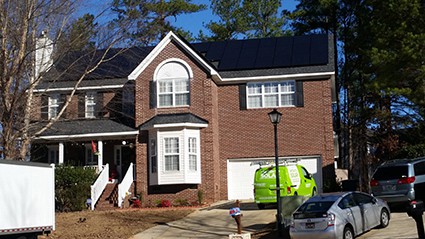

Energy consumption per capita in Florida is the third-lowest in the country. Still, the state is the fourth-largest energy-consuming state, using nearly eight times the amount of power that it produces. Although the majority of energy is consumed by the transportation sector, nearly a third of all energy consumption in Florida occurs in private residences.
Nearly 100,000 solar installations in the state produce just under 8,000 MW. While some of this solar generation is obtained from residential systems, it also includes power produced by sizable solar energy centers like Martin Next Generation Solar Energy Center. This photovoltaic project produces enough solar energy to power more than 8,000 homes in Florida.
Payment Options for Solar Installations
Some states enable residents to access solar power through a power purchase (PPA) or third-party agreement. With a power purchase agreement, the solar energy company installs a system on the client’s premises. The company is responsible for obtaining permits, financing, and maintaining the solar energy system. The electricity generated by the installed solar energy system is then sold to the client. In these cases, the client or user does not need to pay for the installation and upkeep of a solar energy system while they enjoy the benefits of using solar power.
Power purchase agreements or third-party agreements are not permitted in Florida. However, there are some options and incentives available for those who would like to install a solar system on their property.
2kW solar energy systems produce slightly less energy than more extensive systems, but the initial investment is also lower. You also don’t need to put any money down upfront. In many cases, you can receive in tax credits in the first year of having your solar system installed.
5kW solar energy systems have a higher solar capacity than 2kW solar panel installations. The system can be purchased in cash or through a loan agreement. Your initial cash investment will be paid within about 13 years, after which it could generate around $25,000 in savings.
You could also purchase a 5kW solar energy system with a loan. Home Equity Line of Credit (HELOC) loans are often used for this. In this case, you can use the equity in your home to pay for your solar system. This allows you to make smaller monthly payments instead of one significant cash investment upfront.
Whether you purchase your 5kW solar power system with cash or through a loan, you could benefit from a tax credit in the first year. Monthly loan repayments will be slightly more than your savings from your solar energy system in the first year. However, as utility electricity rates increase in future years, so will your savings.
Renewable Portfolio Standard and Net Metering
A renewable portfolio standard is a regulation to increase energy from renewable sources (wind, solar, biomass, etc.). The policy stipulates standards that include incentives for residents and utilities to switch to alternative energy generation systems. The state of Florida does not meet many of these standards, nor does it have a voluntary renewable energy target.
Still, the state has excellent Net Metering policies. Suppose your solar system is connected to the grid. In that case, any excess energy will be fed into the grid, and you will receive credit for this. The credit earned through Net Metering will be used to pay for any grid electricity that you may use. Suppose you have additional credit at the end of each billing period of one year. In that case, the utility company will pay you for the power that your solar system fed into the grid.
Solar Certification
All solar systems that are manufactured or installed in Florida should comply with Solar Equipment Standards set by the Florida Solar Energy Center. These testing and certification standards regulate solar heating and power generating equipment. They ensure that all solar panel installation products are safe to use and work as they are supposed to. Regular testing of these products examines their durability and reliability while investigating the causes of failures.
The global move to renewable energy is making solar electricity more accessible and affordable while promoting energy efficiency. Production costs of solar collectors (or solar panel systems) are funneled down through solar installers to the consumer.
One of the main benefits of the installation of a PV system is the energy savings reflected in the reduction of your electric bill. These savings are unlikely to reflect immediately, but the long-term savings balances out the initial investment. You could also benefit from local incentives and receive a federal tax credit which could provide you with more immediate financial benefits.
Conclusion
There are various financing options to assist you in becoming a solar owner. Cash payments require you to pay all relevant costs for solar installation out of pocket. On the other hand, financing options spread the payment out over a number of years. Either way, you could potentially save on your utility bill or even get money back if you supply the grid with excess electricity through Net Metering.
At Homeowner.org, we’re here to guide you along the way in your journey regarding all things related to buying, owning, and loving your home. Check out our site for more today.